Village of Diagares
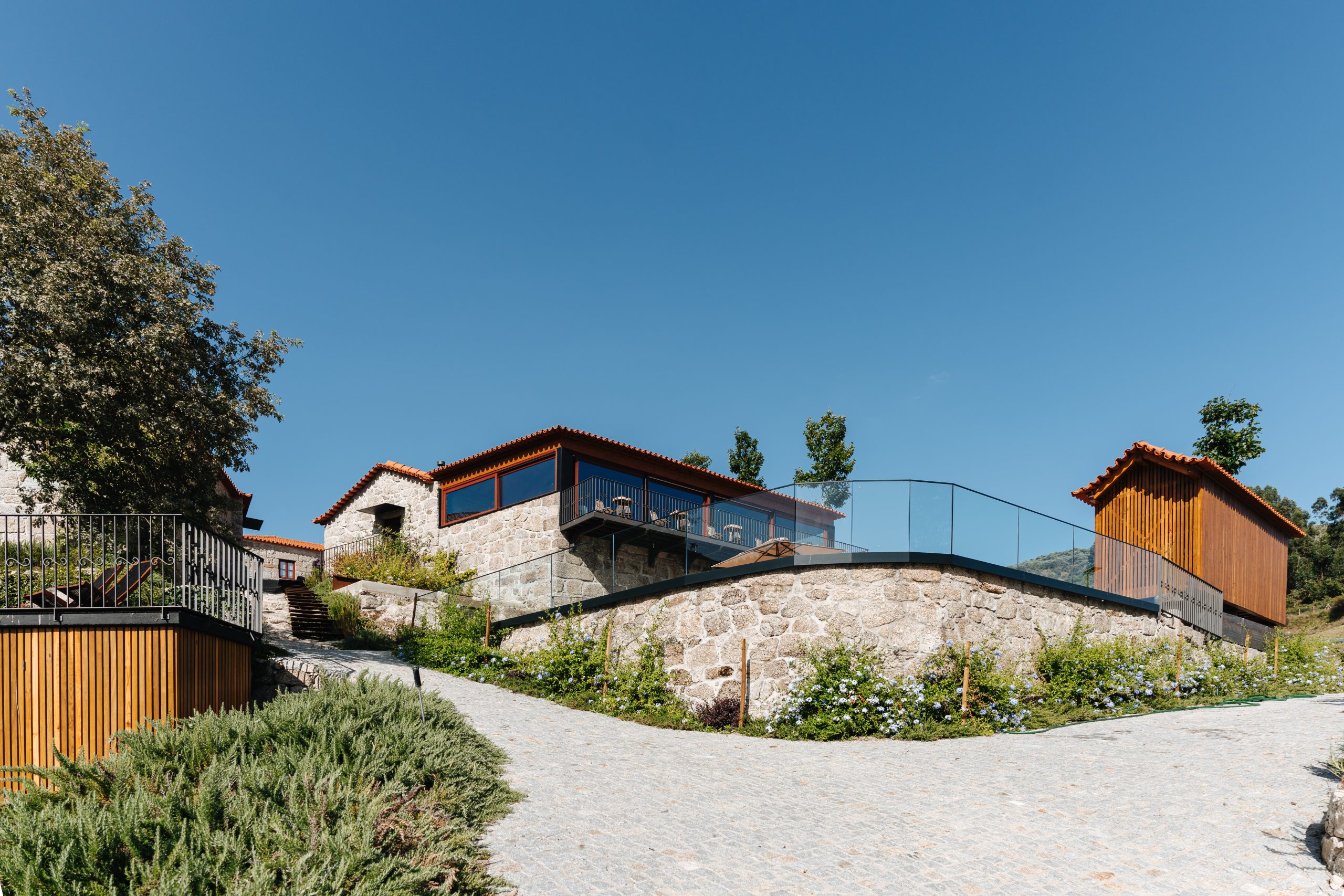
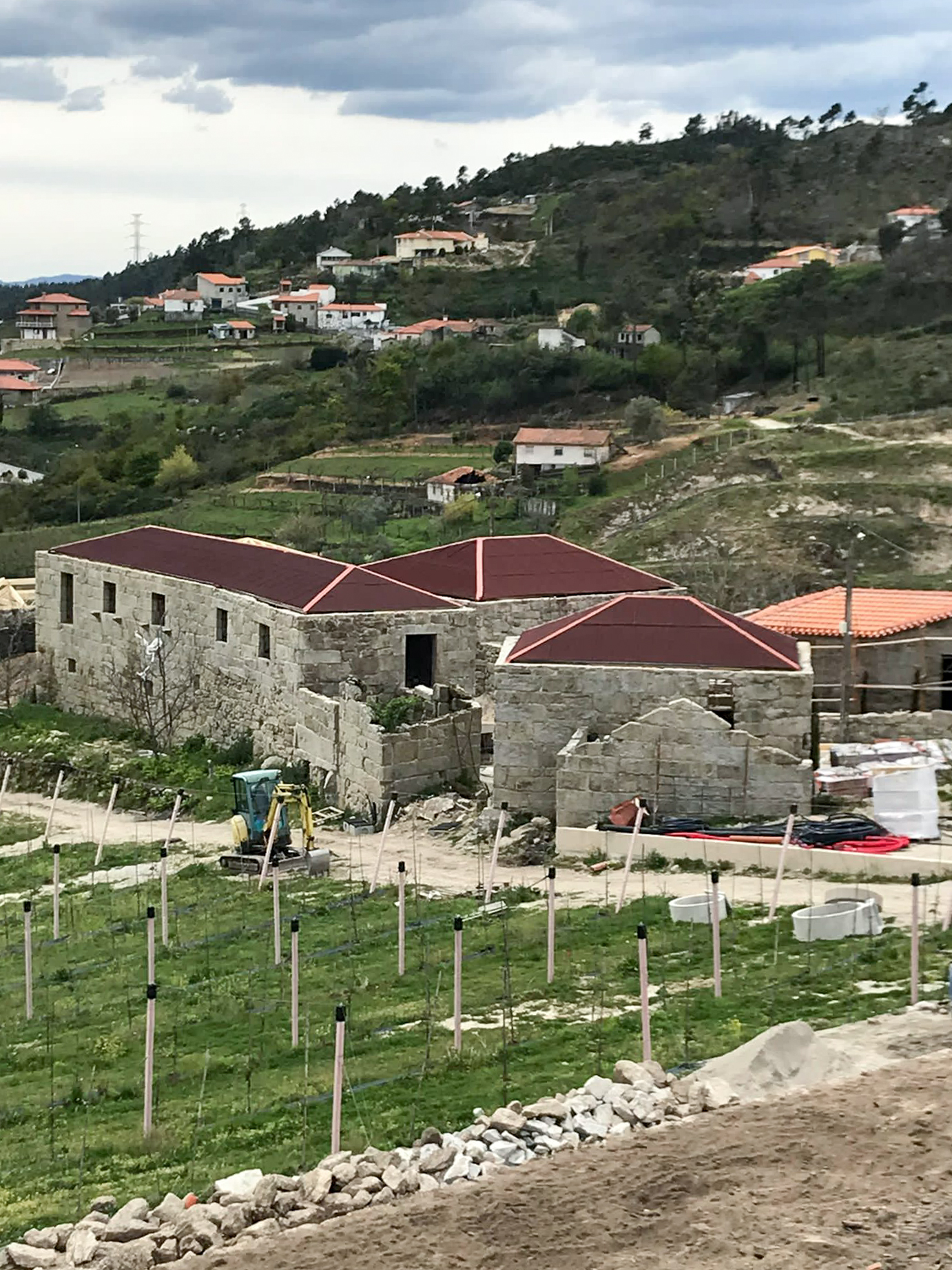
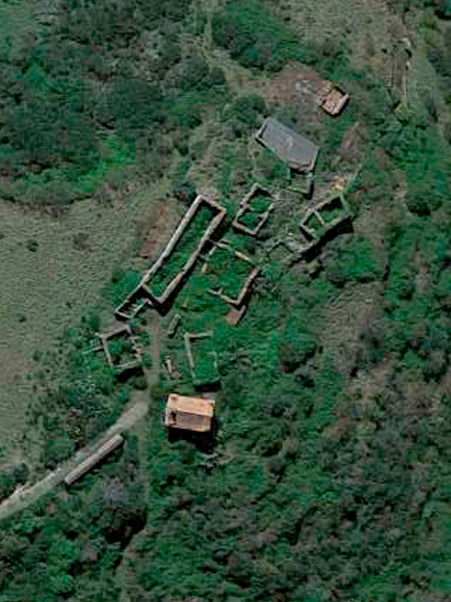
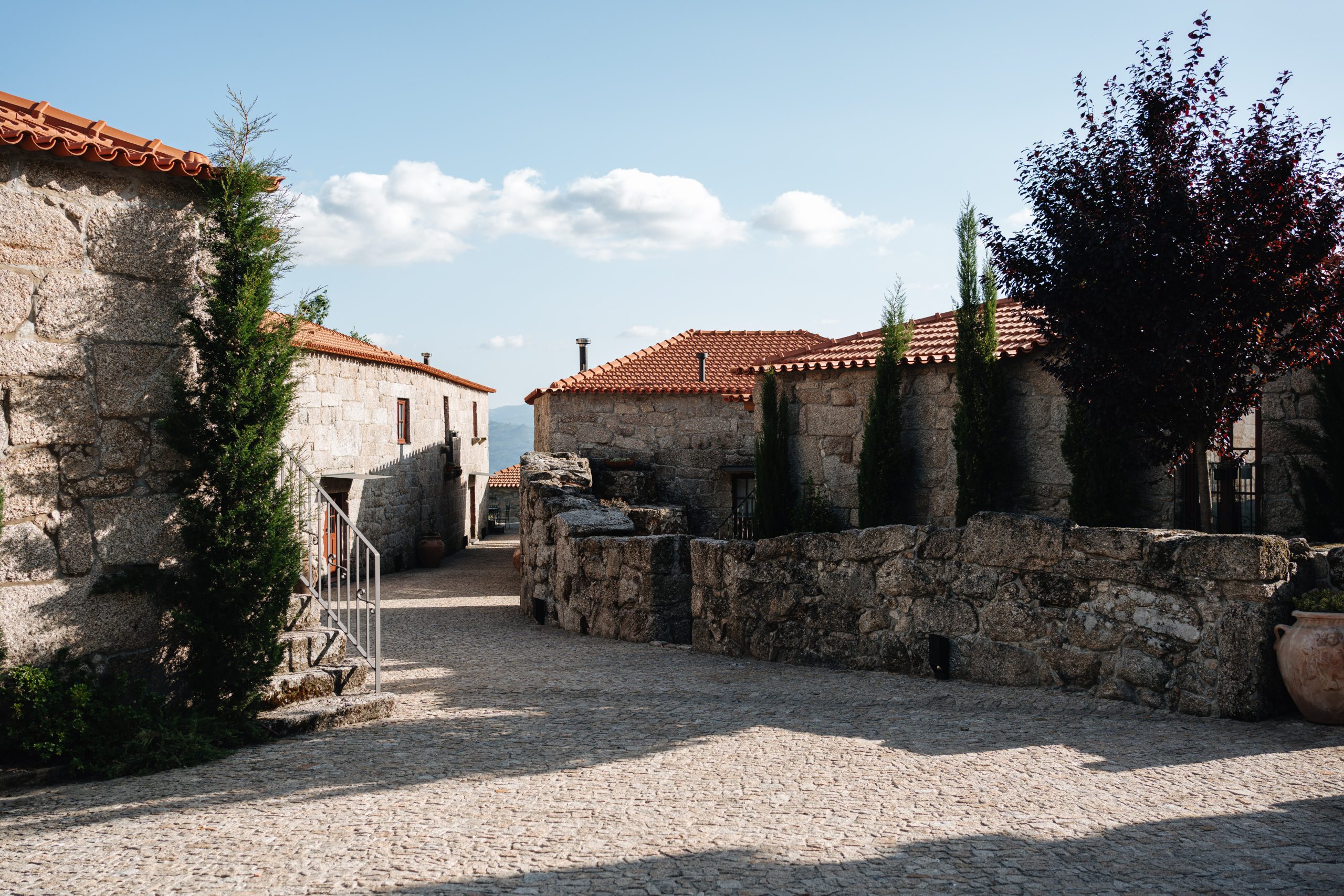
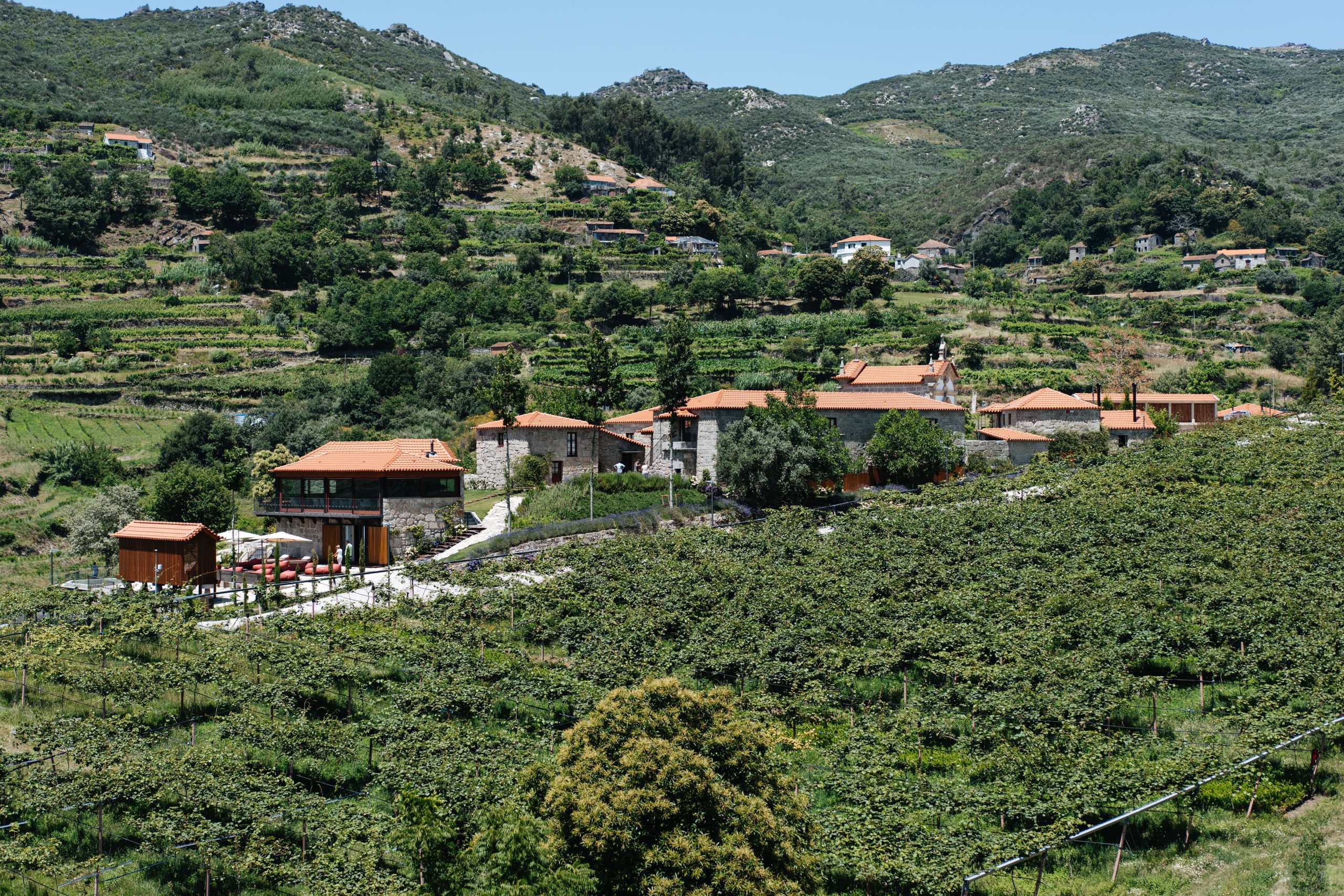
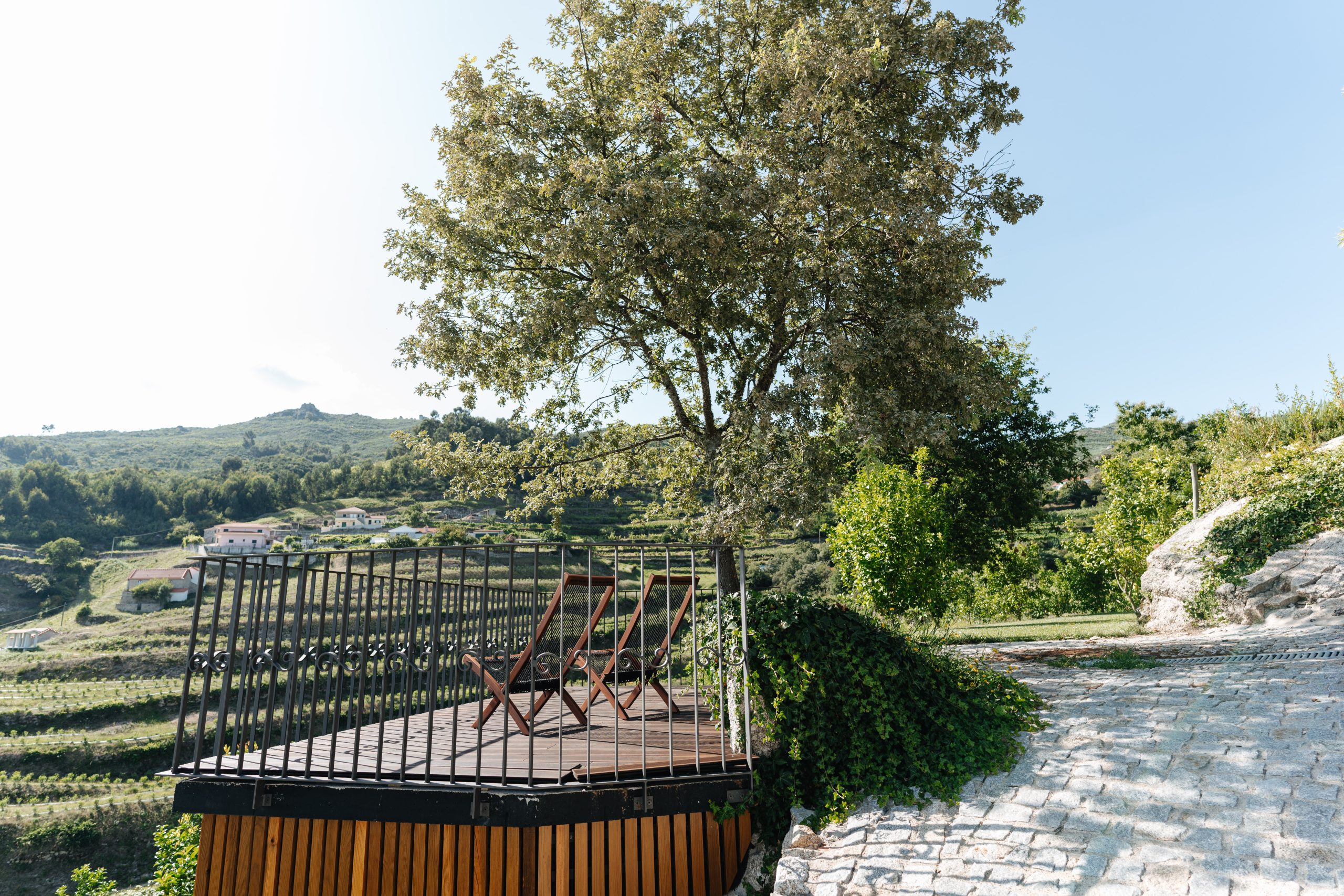
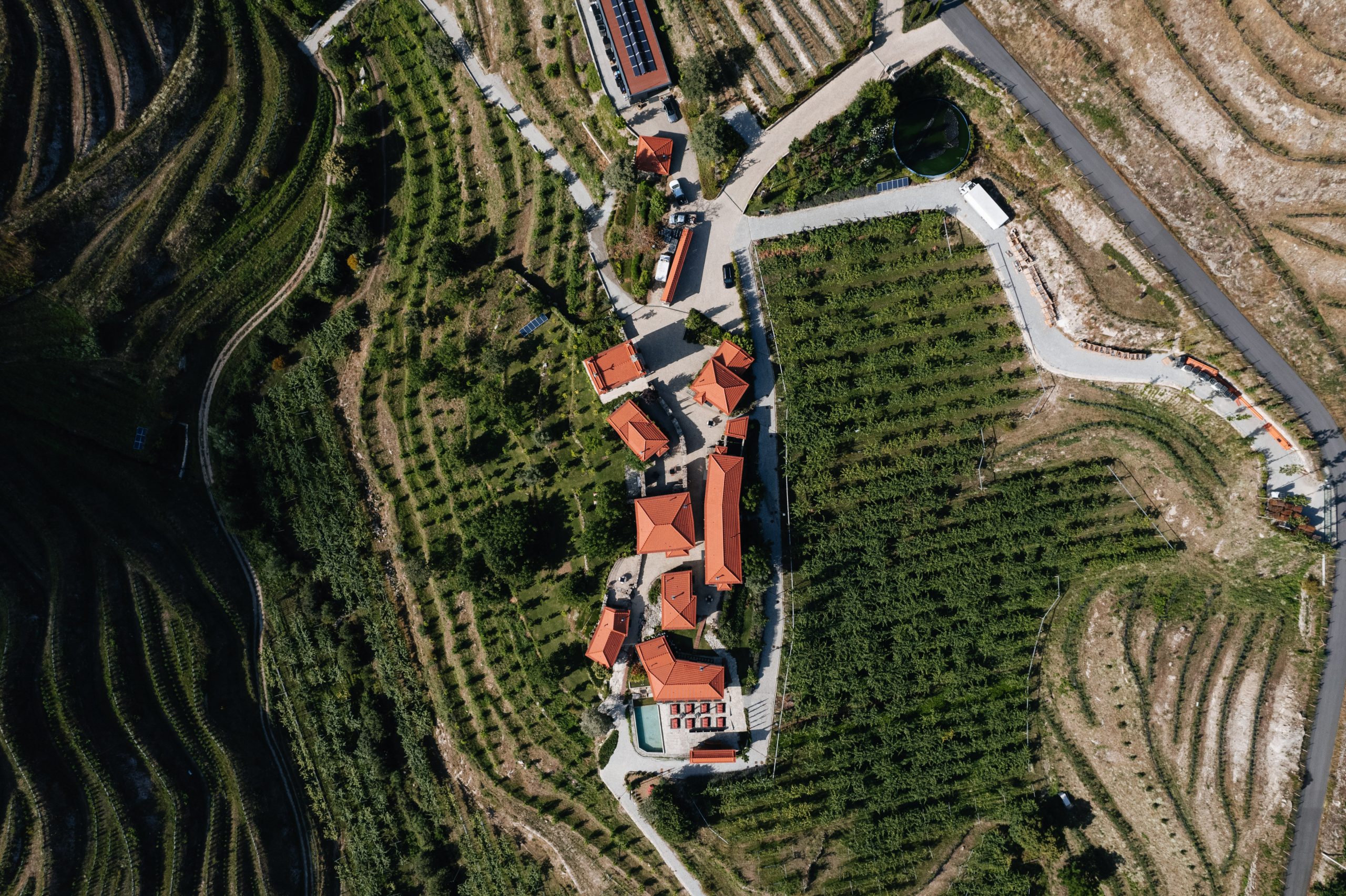
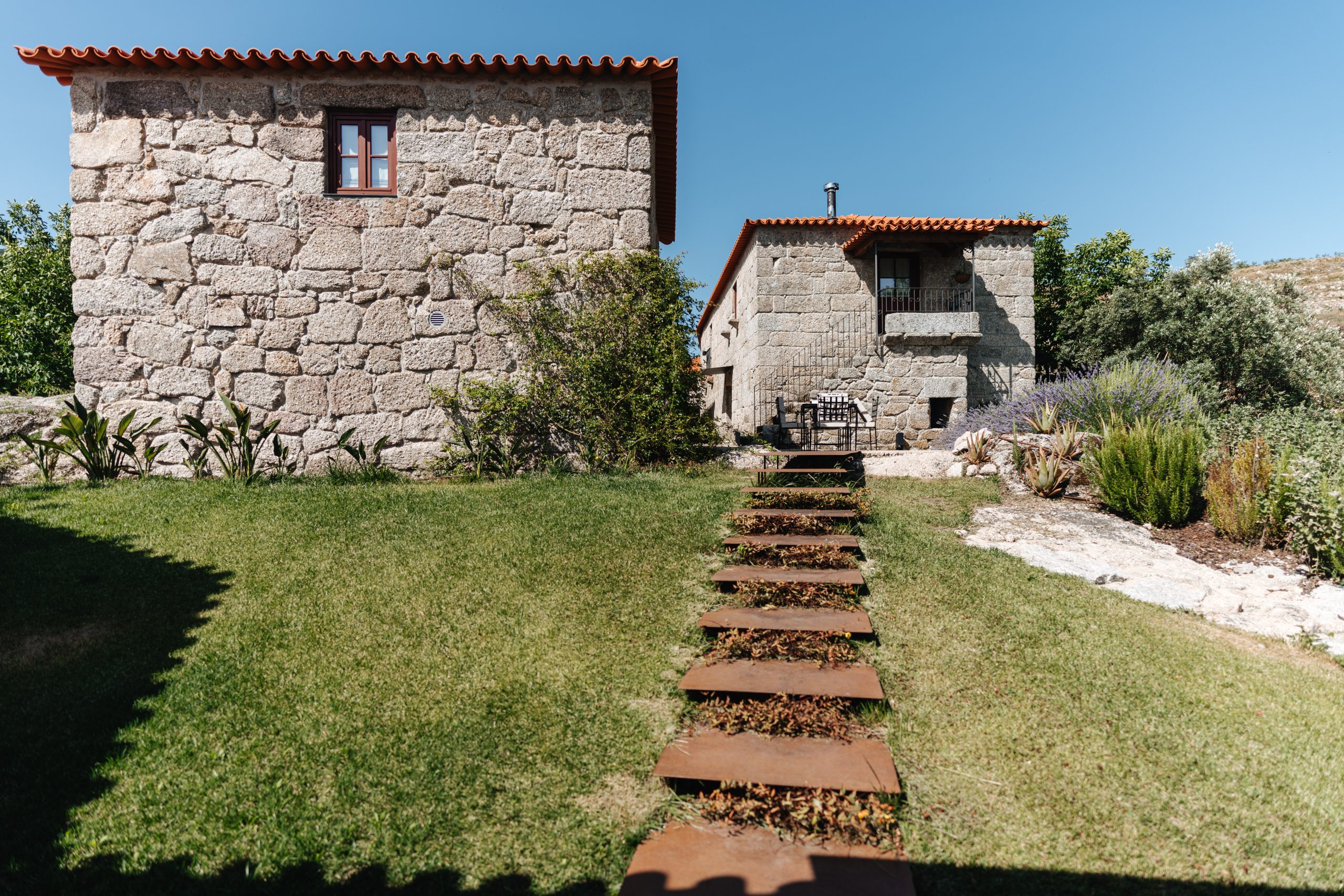
The Village of Diagares is located in the midst of a cluster of houses, on the hilltop of the civil parish of Valadares in Baião, with great significance for the municipality.
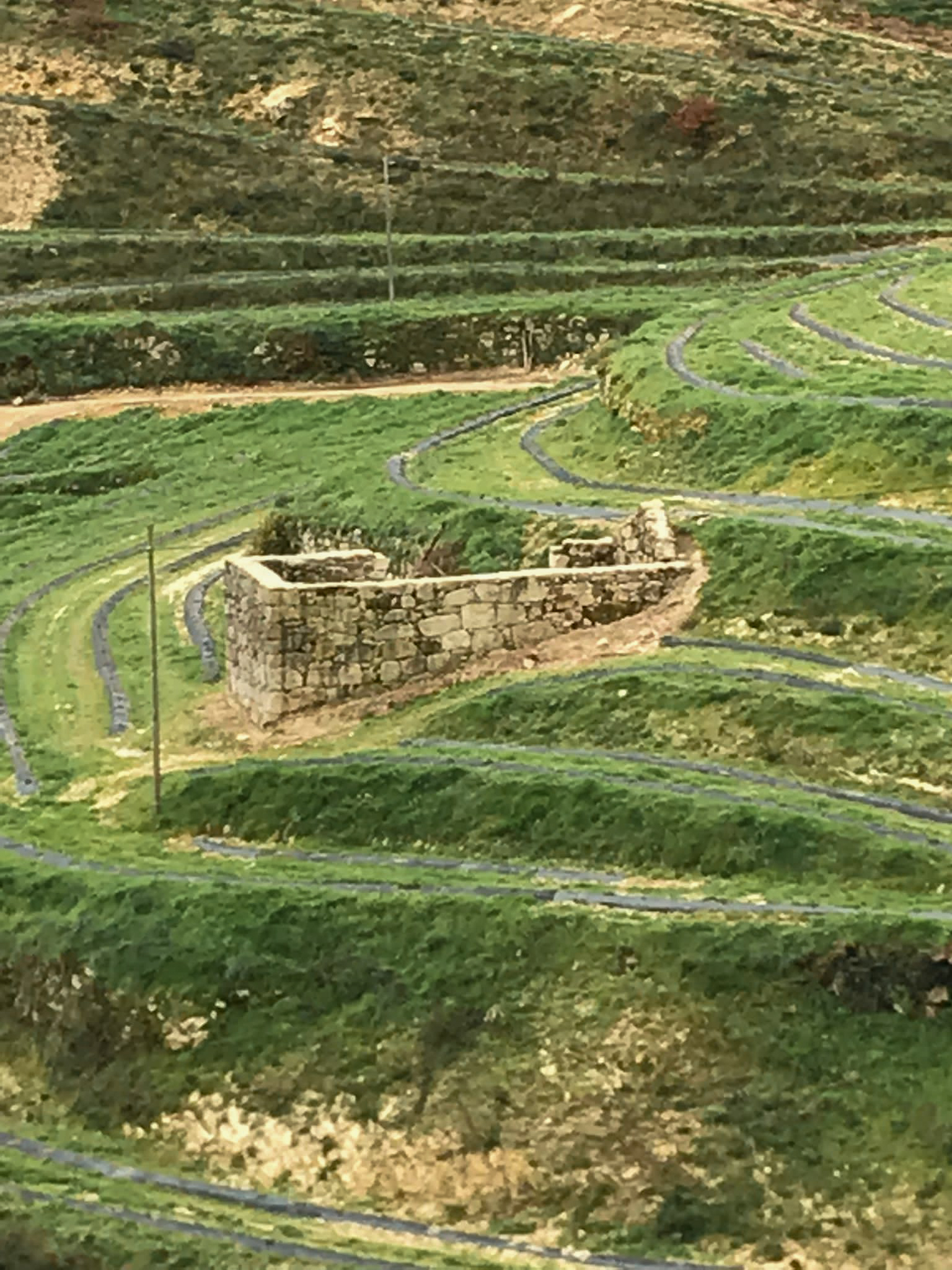
It was rich in grazing land and cereal production, as it had an area protected by the mountain, and therefore, was considered a meadow—a damp area where pasture grows—being also fertile for vegetable cultivation.
Nowadays, this area has been rebuilt, and only the carvalho-alvarinho (portuguese oak), the predominant species in the area, has been preserved.
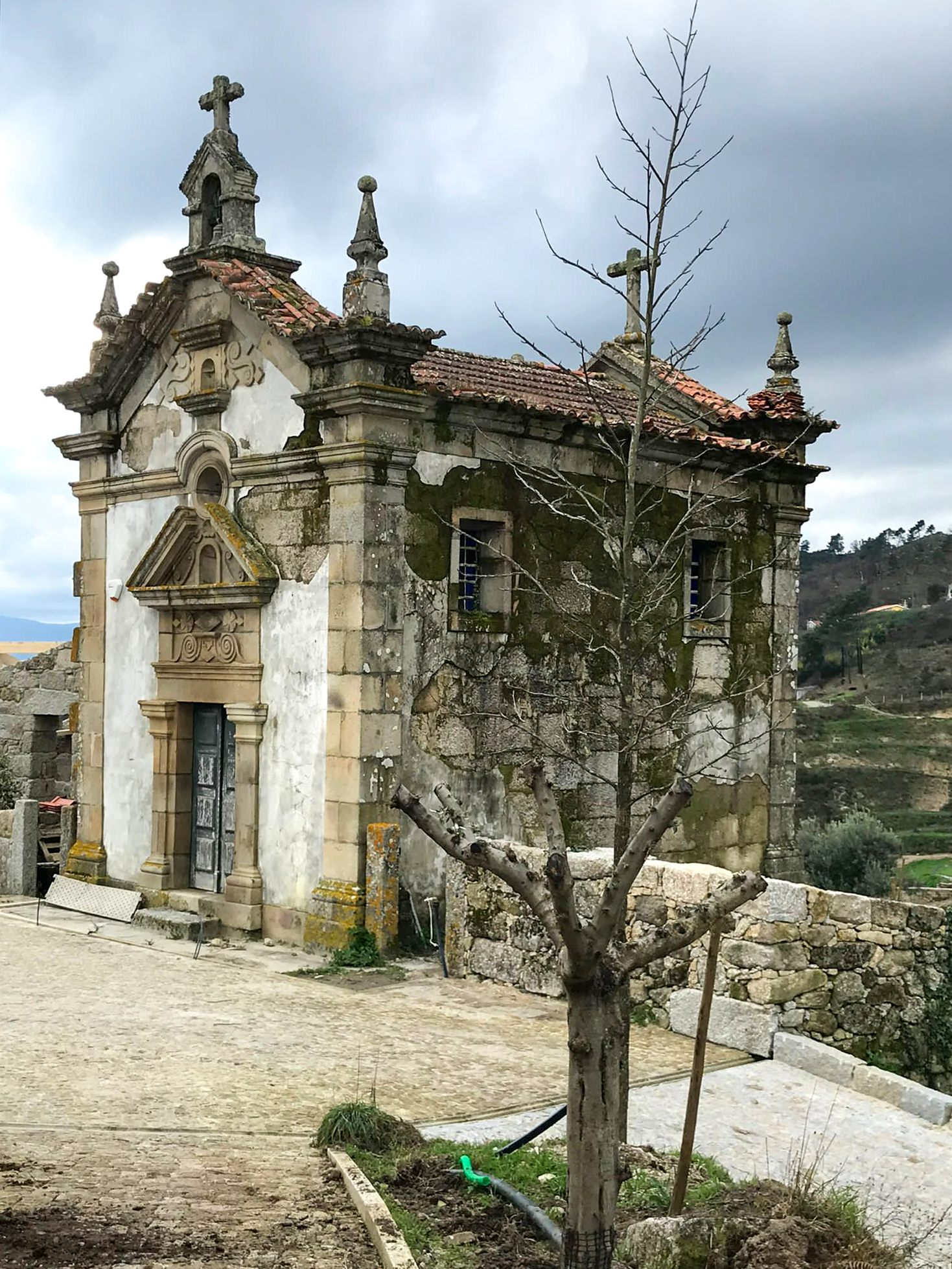
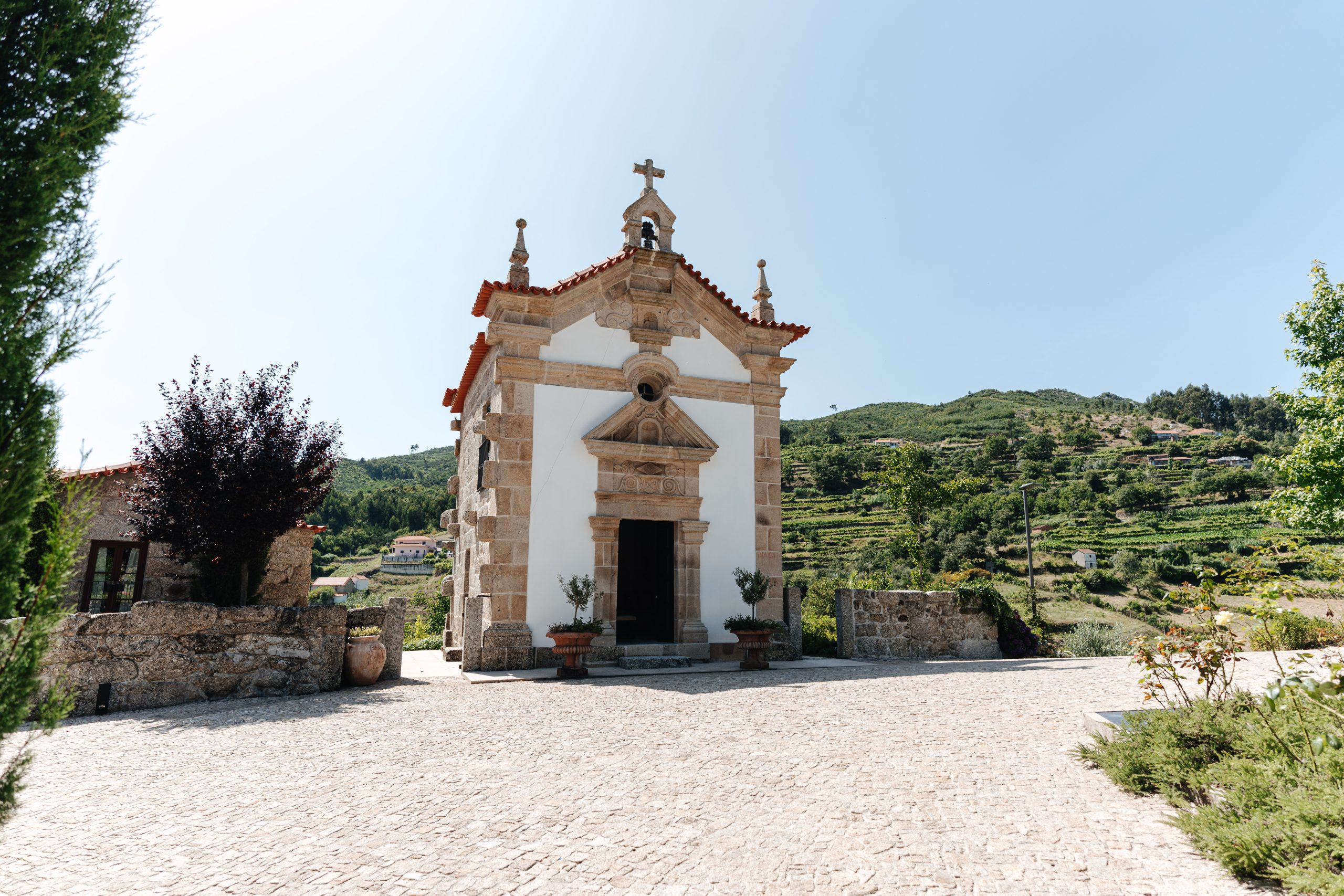
Especially in the middle ages, in addition to its agricultural value, the Village of Diagares housed pilgrims who needed to rest on their way to Santiago de Compostela.

The Village of Diagares is located in the midst of a cluster of houses, on the hilltop of the civil parish of Valadares in Baião, with great significance for the municipality.
It was rich in grazing land and cereal production, as it had an area protected by the mountain, and therefore, was considered a meadow—a damp area where pasture grows—being also fertile for vegetable cultivation.
Nowadays, this area has been rebuilt, and only the carvalho-alvarinho (portuguese oak), the predominant species in the area, has been preserved.
Especially in the middle ages, in addition to its agricultural value, the Village of Diagares housed pilgrims who needed to rest on their way to Santiago de Compostela.
The Village of Diagares is located in the midst of a cluster of houses, on the hilltop of the civil parish of Valadares in Baião, with great significance for the municipality.
It was rich in grazing land and cereal production, as it had an area protected by the mountain, and therefore, was considered a meadow—a damp area where pasture grows—being also fertile for vegetable cultivation.
Nowadays, this area has been rebuilt, and only the carvalho-alvarinho (portuguese oak), the predominant species in the area, has been preserved.
Especially in the middle ages, in addition to its agricultural value, the Village of Diagares housed pilgrims who needed to rest on their way to Santiago de Compostela.